
Managed IT Services for Logistics and Transportation Companies
We provide managed IT services for logistics companies of all shapes: freight brokers, 3PLs, carriers, fleets and warehouse operators. The job is pretty simple to describe, which is keeping dispatch, the TMS, email and phones up and keeping fraudsters out of your inboxes. Cyber Husky is a managed IT and cybersecurity company that supports logistics and transportation teams across the US.
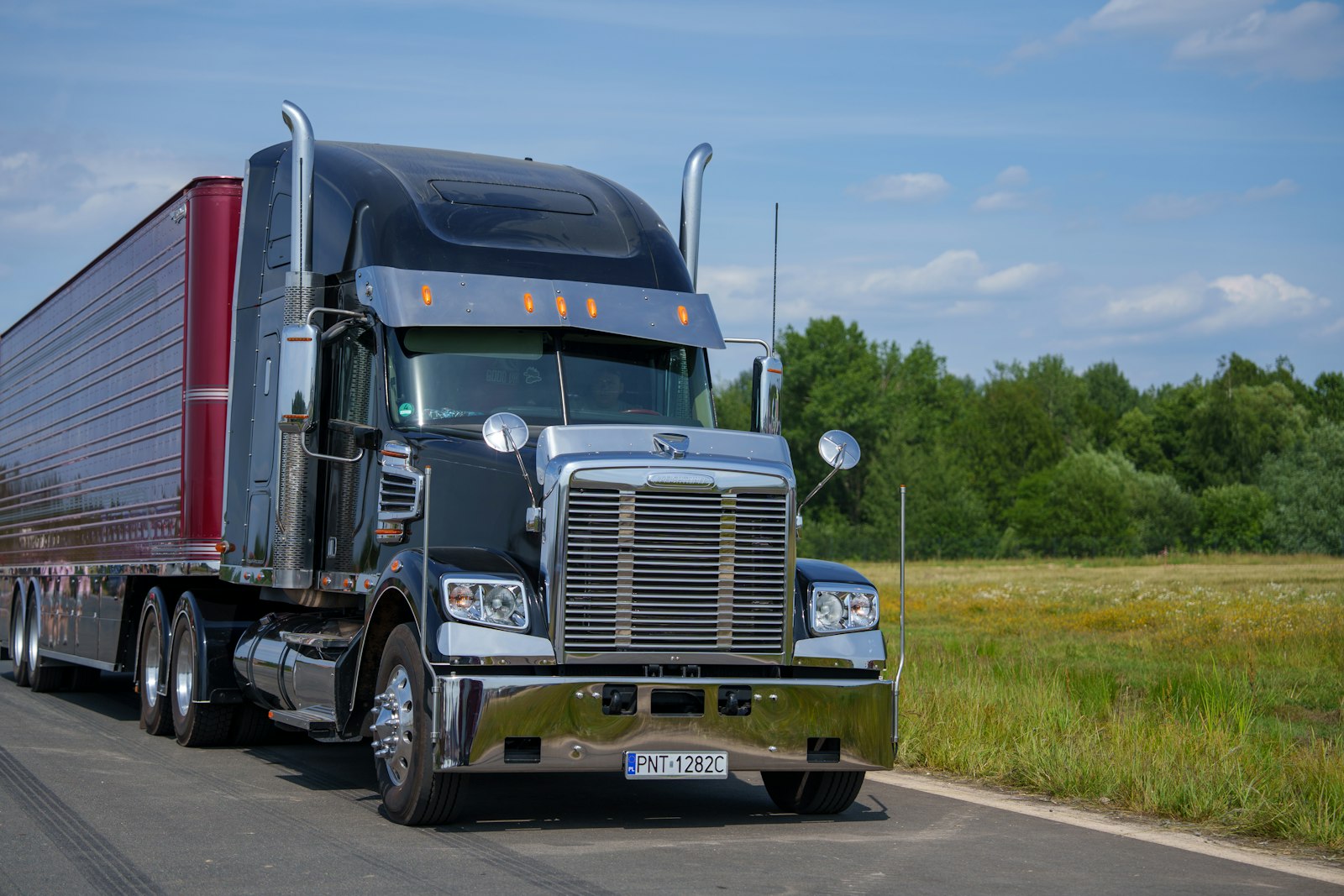

Logistics Runs on Systems That Can't Wait for a Callback
When dispatch, the TMS, email or the phones go down, loads stop moving, and they don’t start again until someone fixes it. The cost of IT downtime in this business shows up as missed pickups and angry shippers, not just a frustrated user.
Here’s what usually breaks:
- TMS and load board access
- EDI feeds to shippers and partners
- ELD and telematics portals
- Warehouse scanners and Wi-Fi
- Phones and VoIP
- Email used for rate confirmations and invoices
Generic office IT support tends to miss this stuff. Your operation runs nights and weekends, half your people are on the road or out in a yard, and you’re trading data with dozens of outside parties every day. If you’re shopping for IT services for logistics companies, that’s the bar.
Most of the IT solutions for logistics we walk into grew up one piece at a time. There’s a TMS from one vendor and an EDI provider from somebody else, a couple of ELD portals, a phone system that nobody remembers setting up, and usually a sticky note of shared logins somewhere. We spend the first few weeks sorting that out and writing it down, so that one team can actually support it afterward.
What Managed IT Services for Logistics Companies Should Cover
Logistics IT services have to cover the office and the terminal, the warehouse and the truck, and they need to treat a dispatch outage like the emergency it really is. This is roughly how our managed IT services shake out for a logistics team.
Help Desk Support for Dispatch, Office and Drivers
A real person picks up when you call. Our average first response is 15 to 30 minutes, which is how fast we respond, not a promise about how fast every issue gets fixed. We'll be straight with you: routine requests are handled during business hours, while anything that stops the business gets worked 24/7.
Phones, Tablets and Driver Devices
Company phones, rugged tablets and personal devices all get managed through Microsoft Intune mobile device management. When a driver quits or a tablet gets left behind at a truck stop, we can lock it or wipe it from here before anyone pokes around in your systems, and if drivers need ELD or telematics apps on the device, we push those out too.
Networks for Offices, Terminals and Warehouses
We'll survey the Wi-Fi, put up access points, and install the switches and firewalls, then keep office, warehouse and guest or driver traffic apart with network segmentation. Just so you know, we do device-level cabling only, so if new cable has to go through walls or ceilings we'll bring in a cabling contractor for that part.
Microsoft 365 and Cloud for Distributed Teams
Your email, Teams and SharePoint get locked down the right way. Conditional Access lets remote dispatchers and brokers sign in from wherever they happen to be working that day, without leaving the door open for anybody else who has a password.
Backup and Business Continuity
We back up what matters, test that the restores really work and write a recovery plan around how you actually operate. If you're anywhere close to the coast, hurricane season belongs in that plan, because losing power or internet for a week can't turn into a week of freight sitting still.
Cybersecurity for Logistics Companies: Freight Fraud, Account Takeover and Ransomware
Most fraud in freight starts with somebody’s stolen login or an email that looks just real enough, so identity and email security matter at least as much as antivirus does. That’s where cybersecurity for logistics companies has to start, and it’s what separates real logistics cybersecurity services from a generic security bundle with a trucking logo slapped on it. The good news is that the controls that stop most of these attacks are well understood and don’t cost a fortune.
Freight Fraud Prevention Starts With Locking Down Inboxes and Logins
Fraudsters spoof carriers and brokers, hijack load board accounts, send fake payment-change requests and run double brokering schemes. The FBI tracks business email compromise every year in its Internet Crime Report.
What actually helps isn't very exciting. You want multifactor authentication on everything, Conditional Access, DMARC along with SPF and DKIM, impersonation protection, alerts when someone sets up a weird mailbox rule, and a written payment change verification process that your AP folks really do follow. Add some phishing awareness training and a few carrier onboarding checks, and freight fraud prevention starts to look a lot more doable.
Ransomware Stops Trucks, Not Just Computers
When ransomware hits a logistics company, dispatch stops, billing stops and EDI stops, and it can stay that way for days. Keeping up with patches, running endpoint protection and keeping backups that are offline or immutable all limit the damage. Our vulnerability management service also runs ongoing vulnerability scanning, so the holes get closed before somebody else finds them.
24/7 Monitoring With MDR
Our managed detection and response is backed by a SOC with real people in it around the clock, every day of the year. If something looks off, they step in and contain it, and you get an after-action report for every incident we remediate. Think of it as cybersecurity for trucking companies and brokers that doesn't clock out when your office does.
How We Support the Systems Logistics Teams Use Every Day
We don’t replace your TMS vendor or your WMS vendor, and we won’t pretend to fix their code. What we do is keep everything around those systems running and secure, and we work the vendor’s support line for you when their app is the problem.
| System | What happens when it’s down | How Cyber Husky supports it |
|---|---|---|
| TMS and load boards | Dispatchers can’t book, track or tender loads | Access, accounts, devices, network and vendor coordination |
| EDI connections | Tenders, status updates and invoices stop flowing to shippers | Connectivity, firewall rules, monitoring and coordination with your EDI provider |
| ELD and telematics portals | No visibility into drivers, hours or locations | User access, MFA, devices and vendor coordination |
| WMS and warehouse control systems (WCS) | Picking, putaway and shipping grind to a halt | Servers, network, scanners and printers, plus vendor coordination |
| Email and Microsoft 365 | Rate confirmations, invoices and customer updates stall | Full administration, security, backup and fraud protection |
| Phones and VoIP | Customers and drivers can’t reach dispatch | Network quality, devices and coordination with your phone provider |
| Warehouse Wi-Fi and scanners | Scanners drop off and inventory stops updating | Wireless surveys, access points, segmentation and device management |
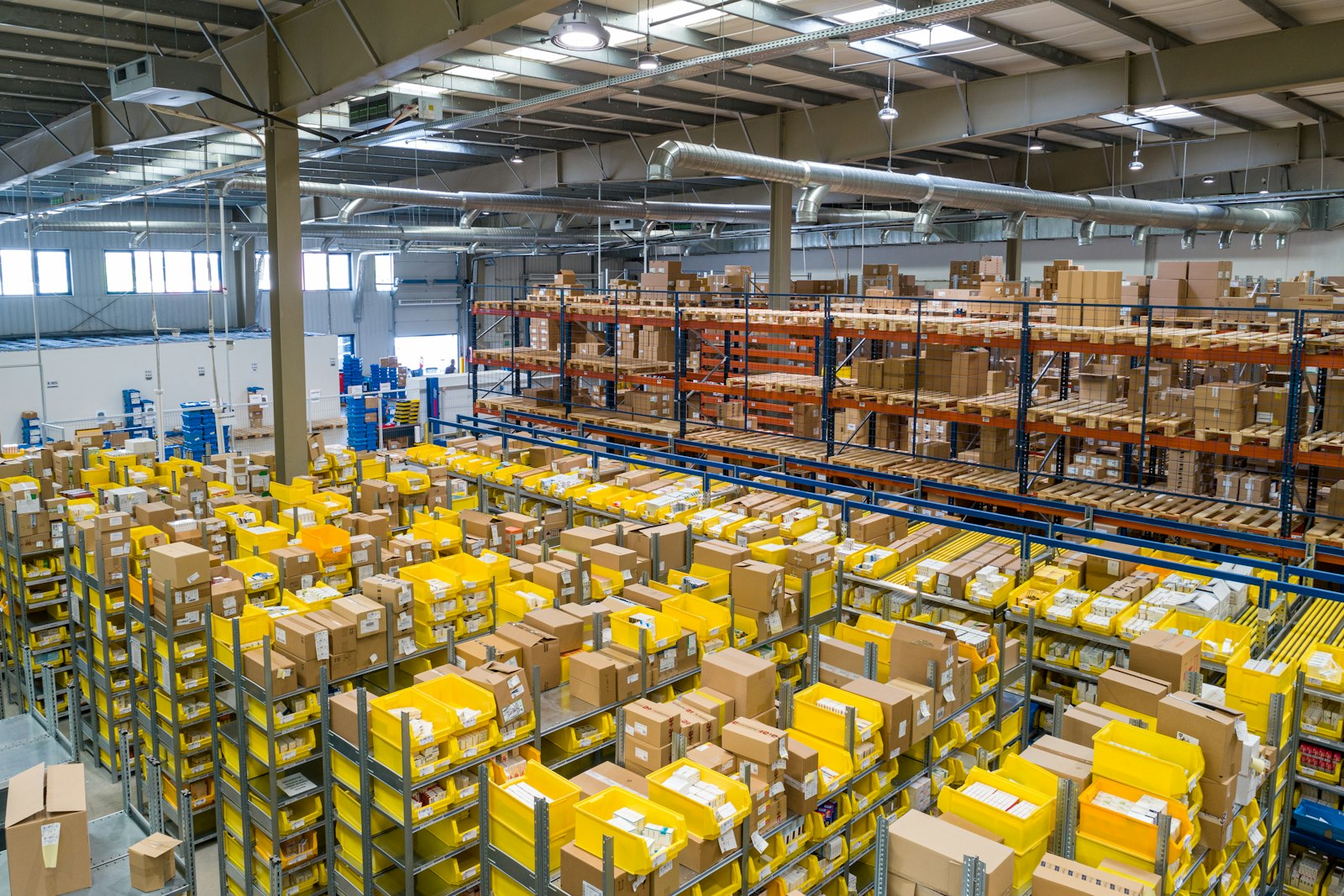
Warehouse, Yard and Terminal Technology
Big metal buildings full of racking are rough on wireless. So our warehouse Wi-Fi installation work always starts with a survey, which is how barcode scanners and label printers end up keeping a signal back in the far corners and down the aisles, and not just near the office. For warehouse network installation we set up separate networks for scanners, printers, cameras and guests, so if one device gets compromised it can’t wander into everything else. Yards and terminals get looked at too, with outdoor access points where they make sense and cameras kept on their own network.
IT support for warehouses also means printer and device management, a few spare scanners ready to swap in, and a decent working relationship with your automation vendors. We know that world from the inside, since our engineers provide ongoing warehouse control system support for a global manufacturer’s distribution operation. If you also run production, our manufacturing page covers the plant side, and our network infrastructure page explains how we design and build these networks.
Shipper, Insurer and CTPAT Security Requirements
These days the bigger shippers, your insurer and programs like CTPAT all want to see proof that your security controls exist, and a checked box on a form usually isn’t enough anymore. When a security questionnaire lands, we help you answer it with things you can actually attach, like MFA coverage reports, patch status, backup test results and training records.
Shipper questionnaires tend to ask about MFA, backups and who has access to what. Cyber insurance carriers commonly ask for MFA, EDR and tested backups before they’ll write or renew a policy. And if you’re in CTPAT, the program’s Minimum Security Criteria include cybersecurity expectations across the supply chain.
Logistics companies that move defense freight can also inherit DFARS and CMMC obligations through their contracts. Our defense contractors page goes into that. None of this is legal advice, but we can help you gather the evidence each of these reviews asks for.

Managed IT for Brokers, Carriers, 3PLs and Multi-Site Operations
Transportation and logistics IT services look a little different depending on what you move and how. Here’s how we approach the main types of operations we support, whether you need IT support for logistics companies with one office or managed IT services for transportation companies with terminals across several states. We also handle transportation IT services for companies that do a bit of everything, like a carrier with its own brokerage arm and a warehouse on the side.
IT Services for Freight Brokers and IT Support for 3PL Companies
Brokerages and 3PLs basically live in email and on the load board, so we start with identity security and email protection. Sales and carrier reps come and go pretty fast in this business, which means getting someone set up (or shut off) should take minutes rather than days, with access gone the same day somebody leaves.
Carriers and Fleets
IT support for trucking companies covers the driver devices, the office and terminal networks, and the security basics that keep a carrier from turning into the next fraud story. We look after the phones and tablets, tighten up the accounts and make sure the shop and the office stay connected.
Multi-Terminal and Warehouse Operations
Every site gets the same network and security standards, so a new terminal comes online looking like the rest. When remote help isn't enough, our on-site IT support is included in managed IT.
Co-Managed IT for Logistics Companies With Internal IT
Have an IT person or a small team already? We add security operations, after-hours coverage and extra project capacity, and your people stay in charge of priorities. Larger companies usually go this route, while fully managed IT fits teams of about 5 to 300 office users.
How Cyber Husky Works With Logistics Companies
We look at your environment and your fraud exposure, get you onboarded and then keep things running. Most companies are fully onboarded in 2 to 4 weeks. If you’re weighing a move, our article on switching managed service providers walks through what to expect.
Review Your Environment
First we dig through your systems, devices and email setup, along with the spots where fraudsters usually get in, like how payments and rate confirmations get approved. Then we tell you plainly what we found.
Onboard in 2 to 4 Weeks
We deal with your current provider for you. On your side it's usually just 3 or 4 short meetings spread over the onboarding.
Operate and Improve
After that it's the day-to-day monitoring, patching and support, along with monthly business reviews (MBRs) and quarterly vCTO planning, so your IT keeps up as you add lanes, customers and sites.
Why Logistics and Transportation Companies Work With Cyber Husky
In logistics, an IT problem is an operations problem, and we treat it that way. Here’s what you get:
- A human help desk with a 15 to 30 minute average first response
- A 24/7 SOC for MDR clients
- Flat monthly pricing with on-site support included, and no nickel-and-diming
- We lead with Microsoft, but we’re comfortable with the mix of systems logistics really runs on, Google Workspace, macOS, Linux and on-premises servers included
- Transportation project experience: cloud architecture, security, and network projects for the California Department of Transportation (Caltrans), delivered as a subcontractor, including ExpressRoute connectivity and Microsoft Sentinel monitoring
- We have never lost a managed IT client to a competitor
We support companies nationwide, and if you’re moving freight through the Port of Charleston, we also offer IT support in Charleston with people close by.

Talk to Cyber Husky About IT for Your Logistics Company
Whether you’re a brokerage worried about fraud, a carrier tired of fighting with driver devices or a 3PL adding another warehouse, we’ll take a look at where you are and give you a straight answer about what would help. To get started, contact Cyber Husky online or call (843) 308-3084.