
IT Services for Life Sciences and Pharmaceutical Companies
If you’re shopping for IT services for life sciences, you’re probably at a biotech, a pharma company, a device maker, a lab or a CDMO, and you need systems that keep running, stay locked down and still hold up when an inspector starts poking around. Cyber Husky is a managed IT and cybersecurity company supporting organizations across the US, from ten-person startups up to manufacturers with several sites.
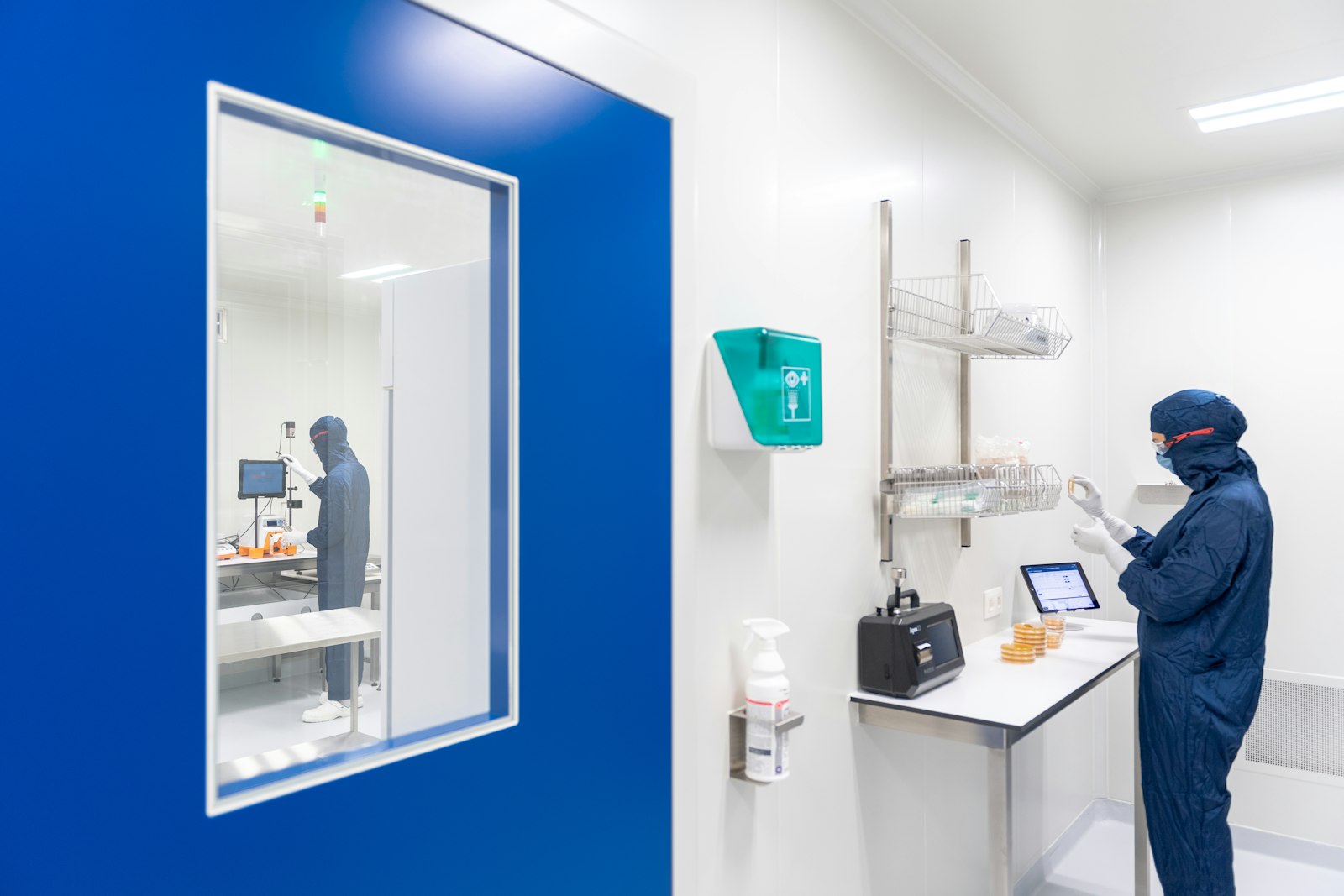
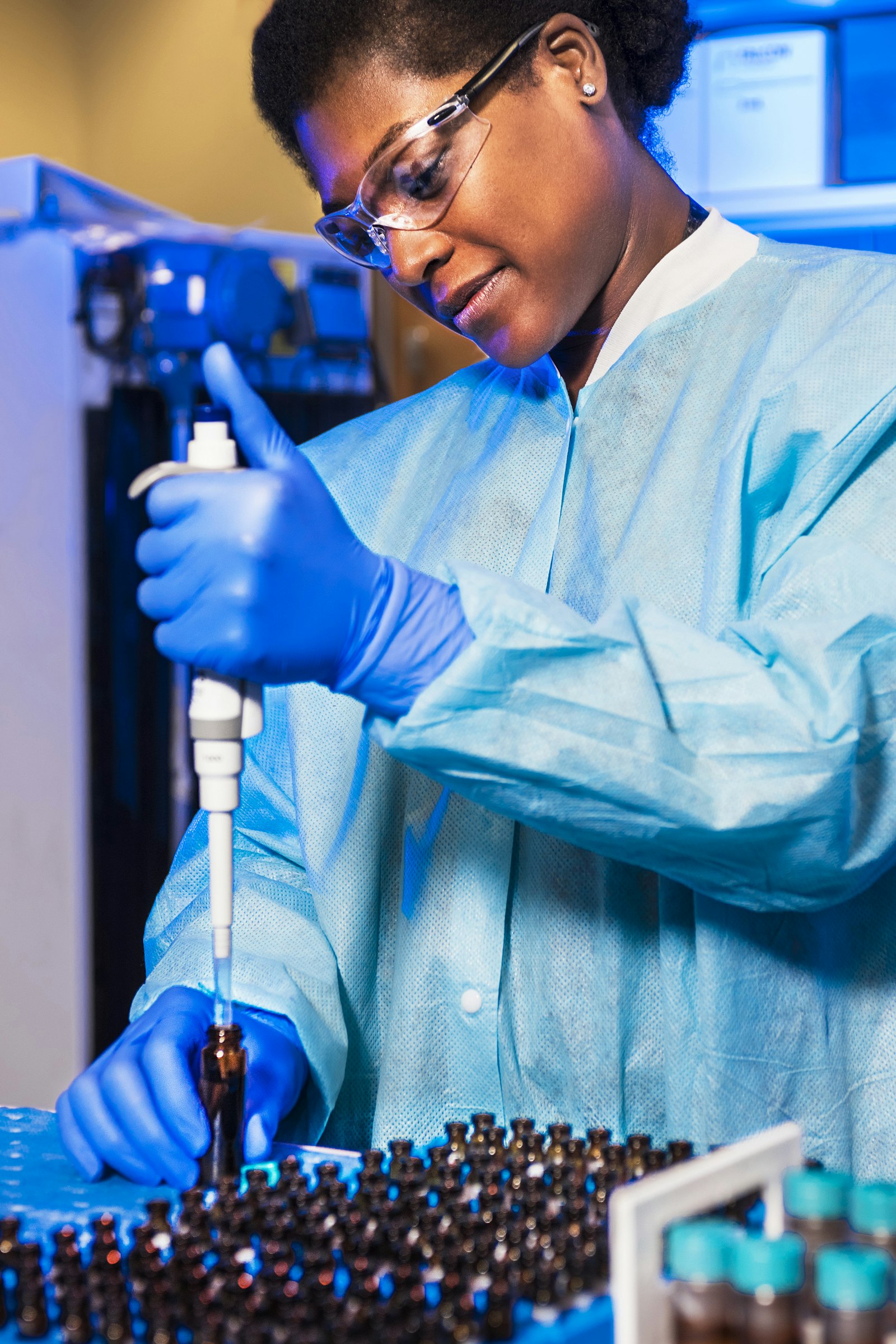
Life Sciences IT Services Have to Be Reliable, Secure and Defensible
Uptime and security are table stakes for any business. Regulated work piles a third thing on top, which is that you have to be able to show your systems are under control, and that’s the piece a lot of life sciences IT services leave for somebody else to figure out.
What does under control look like on an ordinary Wednesday? Changes are written up before anyone makes them, only the right people can get into a system (and you can produce the list), and electronic records stay exactly as they were created. So when an FDA investigator or a partner’s auditor asks how you know, someone can pull up the answer instead of going quiet.
We handle the validation side too. Our engineers write and run the qualification protocols for the infrastructure we build, and they support computer system validation for the applications sitting on top of it, all inside your quality system, which means you’re dealing with one team for IT and validation rather than two vendors blaming each other.
It works the same way whether you’re after pharma IT services for a commercial plant, IT support for laboratories with a few dozen instruments on the bench, or just help validating one new system.
What Managed IT Services for Life Sciences Should Cover
Managed IT services for life sciences cover a lot of the same ground as any decent managed IT services plan. The catch is that some of your systems can’t be touched without going through change control first, so the everyday work has to be done a bit differently.
Help Desk for Lab, Manufacturing and Office Teams
Call in and a real person answers. Our average first response is 15 to 30 minutes, and to be fair that's how fast we respond, not how fast every problem gets solved. Routine stuff is handled in business hours while anything that stops the business gets attention 24/7, and our techs know to leave the PC beside the HPLC alone until change control gives the okay.
Identity and Access Control That Holds Up to Audit
Everyone gets unique user IDs, even when it would be cheaper to share one login on the lab PC. We set up role-based access, Entra ID Conditional Access and tighter rules for admin accounts, run access reviews on a set schedule, and pull people's access the same day they leave.
Change Control for Infrastructure
Patching happens in planned rings during maintenance windows that production and QA have agreed to ahead of time. Each change gets written up first, along with a rollback plan if it goes sideways, and nobody's validated server reboots at 2 a.m. because a vendor decided to push an update.
Backup, Retention and Restore Testing
Backups follow your records retention rules rather than whatever the software defaulted to. We do restore tests against real files and keep proof that they worked, because backup and restore testing that only exists in an SOP isn't much comfort when something actually breaks.
GxP IT Services and Computer System Validation Services
Our GxP IT services mean we build, run and validate the infrastructure and systems inside your change control, so a validated system is still in a validated state after IT has had to touch it.
You could call it GxP IT support with the documentation already baked in. GMP, GLP and GCP each have their own wrinkles, but they all want the same basic thing, a system you can trust and a paper trail explaining why, and when that’s how IT runs every week, inspection readiness stops being a fire drill.
Infrastructure Qualification Services
We build servers, networks, virtualization and cloud resources from documented standards, then our own engineers write and execute the IQ/OQ protocols, following a risk-based approach in line with GAMP 5.
Computer System Validation Services and CSA
Our CSV consulting and IT validation services cover validation plans, risk assessments, requirements traceability, test scripts and execution, deviations and summary reports.
FDA finalized its Computer Software Assurance guidance in September 2025 and updated it in February 2026. Technically it's aimed at medical device production and quality system software, but its lighter, risk-based way of thinking has been spreading across life sciences, and we use it wherever your quality system allows. Either way your quality unit signs off on every deliverable, since that's where the regulations put the decision.
Keeping Systems Validated After Go-Live
Go-live is usually where the trouble starts, not where it ends. Patches and upgrades go through change control with impact assessments, we support periodic reviews and we check that backups and restores still work, so a routine update doesn't turn into an unplanned revalidation project.
21 CFR Part 11 and EU Annex 11 Technical Controls
A lot of companies bring in a 21 CFR Part 11 consultant to write policies and are then left wondering who's going to configure the actual systems. That part is us. Our 21 CFR Part 11 compliance services handle the technical controls, like audit trails switched on and protected, time sync, unique IDs and access control, electronic signature setup, backup integrity and general system security.
How IT Controls Support GxP Compliance
Inspectors don’t really care what brand of firewall you bought. What they care about is whether your records can be trusted, and a surprising amount of that depends on how IT is configured and run day to day. The table below lines up the expectations in 21 CFR Part 11 and FDA’s data integrity guidance with the IT work behind them.
| Expectation | What it asks of IT | How Cyber Husky supports it |
|---|---|---|
| Part 11 and Annex 11 audit trails | Computer-generated, time-stamped records of who did what, which users can’t edit or turn off | We enable and protect audit trails, sync system time and lock down admin rights |
| Data integrity (ALCOA+) | Records that are attributable, legible, contemporaneous, original and accurate, and stay that way | Controlled storage, permissions, logging and backups that keep originals intact |
| Access control and unique IDs | One person per account, access based on role, prompt removal when people leave | Entra ID, Conditional Access, MFA, scheduled access reviews and same-day offboarding |
| Change control | Changes to validated systems assessed, approved and documented before they happen | Change records, impact assessments, maintenance windows and rollback plans |
| Backup, retention and recovery | Records kept for the full retention period and recoverable when needed | Retention-aligned backups and documented restore tests |
| Cybersecurity of validated systems | Protection from unauthorized access, malware and tampering | Segmentation, endpoint protection, 24/7 monitoring and change-controlled patching |
This is a summary, not regulatory advice. Your quality unit owns compliance decisions and approves validation deliverables.
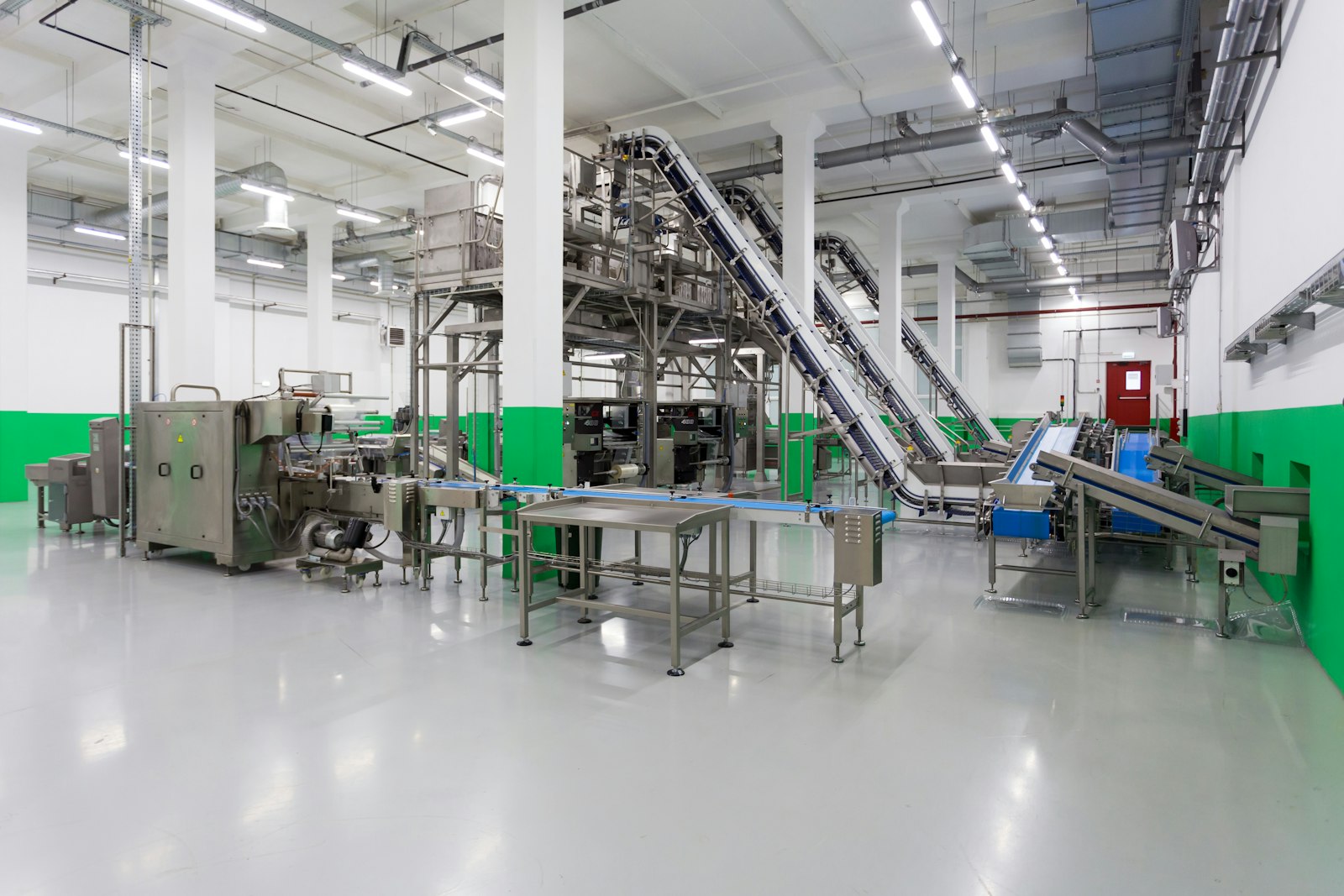
Manufacturing and Lab Networks: Keeping OT and IT Apart
Your plant floor and your email server have no business sitting on the same network. We split the business network from the OT network and put a DMZ between them, borrowing network segmentation ideas from ISA/IEC 62443 and the Purdue model. Lab instruments get their own segment too, and they’re only patched when the vendor and your QA folks both agree it’s safe. Plant servers usually run on VMware or Hyper-V, with Active Directory designed for production rather than copied over from the front office.
Equipment vendors still need a way in, so we give them secure remote vendor access through a gateway instead of a shared password and an open port. On one project we designed the network for a new pharmaceutical manufacturing site spanning two facilities, with separate OT and business networks divided by a DMZ, segmented firewalls, endpoint security, secure remote access through a gateway, and VMware ESXi for plant servers.
More on the plant side is on our manufacturing IT page, and our network and data center projects and server support pages go into how we build and look after the pieces.
Pharmaceutical Cybersecurity Services: Protecting IP, Patients and Production
Pharmaceutical cybersecurity services are juggling three things at the same time: your intellectual property, the patients counting on what you make, and the production line making it.
Ransomware can halt a batch halfway through. Research data and IP are valuable to people who’d like to skip the R&D. Phishing emails get aimed at whoever deals with clinical and supply partners, and every vendor remote access connection is one more door to keep an eye on.
On our side, managed detection and response runs on a human-staffed SOC around the clock, every day of the year, and MXDR for Azure extends that to your cloud workloads. Our vulnerability management service finds the weak spots and fixes them through change control, and security awareness training gives your team a better shot at catching the phishing email before somebody clicks.
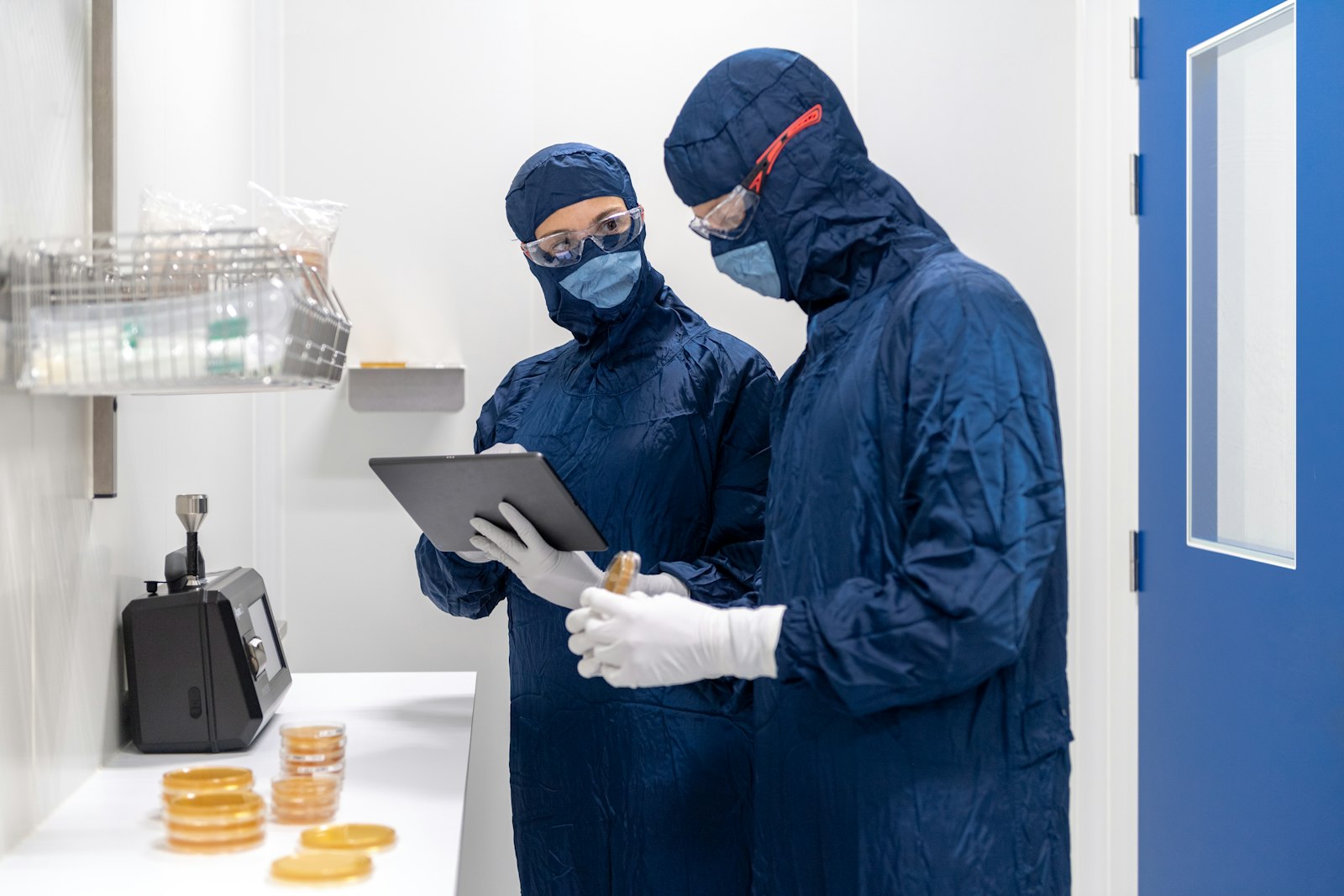
Microsoft 365, Azure and GxP Cloud Compliance
Regulated teams can do fine in the cloud as long as it’s configured deliberately, and like the rest of our pharmaceutical IT services, cloud work goes through the same change control and documentation habits as anything sitting in your server room. GxP cloud compliance usually starts with Microsoft Purview sensitivity labels and retention, along with external sharing rules that let you collaborate with CROs and partners without giving away the farm.
In Azure we build landing zones with policy guardrails, lean on Microsoft’s compliance documentation and shared responsibility model, and set up Azure for research data and analytics. Our Azure consulting and cloud migration people do the heavy lifting, and if you’re just starting to plan, our cloud migration checklist is worth a read.
AI has crept into this conversation as well. We help teams use Claude, Microsoft Copilot and ChatGPT safely, and use Azure AI document processing on big document sets, with governance in place so regulated data doesn’t wander off. Our AI consulting page has the details.
From Biotech Startups to Multi-Site Manufacturers
We work with life sciences companies at every stage. Fully managed IT is a good fit for teams of 5 to 300 users, billed at a flat, predictable monthly price with no nickel-and-diming. Bigger organizations tend to bring us in for life sciences managed services on a co-managed basis, or for specific projects that we scope and quote up front. We’re Microsoft people at heart, though we also support AWS, Google Workspace, macOS, Linux and on-premises systems.
Biotech IT Support for Startups
Good biotech IT services get identity, devices and data controls set up properly the first time around. Rebuilding them later, usually right before your first inspection or a partner's due diligence, costs more and takes longer than doing it right now.
Growing Clinical and Commercial Companies
As new sites, partners and systems like LIMS, ELN, MES and eQMS get added, we keep the controls consistent, so system number ten gets set up with the same care as system number one.
Co-Managed IT and Project Support for Pharma IT Teams
If you already have IT, automation and validation groups, we can add hands for systems administration, network engineering, Active Directory, DevOps and CI/CD support, and infrastructure projects, working with your people rather than around them.
How Cyber Husky Works With Life Sciences Teams
We get to know your environment, fix what needs fixing inside your change control, and then keep it running with documentation you could hand straight to an auditor. Onboarding usually takes somewhere between 2 and 4 weeks.
Review the Environment
We map your systems and sort out which ones are GxP-relevant, which ones are connected to lab instruments or production, and where the gaps are.
Stabilize and Close Gaps
We tackle the most important fixes first, through your change control process. Your team usually only needs 3 or 4 short meetings, and we handle the handoff from your current provider.
Operate and Document
After that it's ongoing monitoring, documented changes, monthly business reviews (MBRs) and quarterly vCTO planning, so inspection readiness doesn't hinge on a mad scramble the week before.
Why Life Sciences Companies Work With Cyber Husky
A lot of life sciences IT consulting comes from generalists who’ve never heard of GxP or from specialists who won’t touch day-to-day support, and we try to be the team that does both. Our engineers have spent real time on the plant side of the fence, so we know what a validated server looks like and why nobody wants to touch one on a Friday afternoon.
- Engineers who have worked inside automation and validation teams at a global pharmaceutical manufacturer, including plant server ownership and warehouse control system support
- Network design experience for regulated pharmaceutical manufacturing
- HIPAA-regulated migration experience, including a 700-user, 500-device Microsoft 365 and Intune migration for a healthcare organization. See our healthcare IT and HIPAA compliance pages
- Microsoft Solutions Partner in Data & AI, Security, Infrastructure, and Modern Work
- An internal security program aligned to NIST SP 800-171
- Flat monthly pricing, and we have never lost a managed IT client to a competitor

Talk to Cyber Husky About Life Sciences IT
Maybe you’re a startup getting ready for GMP, a growing company adding systems, or a manufacturer that just needs more hands. Either way, tell us where things stand and we’ll look at your environment and suggest a sensible next step. To get started, contact Cyber Husky online or call (843) 308-3084.
FAQs
What IT services do life sciences companies need?
Life sciences companies need the usual help desk, device management, cloud administration and backups, plus controls regulators expect: unique user IDs, audit trails, change control and tested restores. Many also need validation support for GxP systems and strong cybersecurity to protect research data and production. A good provider should handle all of it inside your quality system, not around it.
Can a managed IT provider support GxP-validated systems?
Yes, as long as the provider works inside your change control. That means documented infrastructure, planned maintenance windows, impact assessments before patches or upgrades, and records of every change. Done that way, routine IT work keeps validated systems in a validated state instead of creating deviations or surprise revalidation work for your quality team.
Do you provide computer system validation services?
Yes. We write and execute IQ/OQ protocols for infrastructure, and we support computer system validation and computer software assurance work, including validation plans, risk assessments, requirements traceability, test scripts and execution, and summary reports. All of it happens within your quality system, and your quality unit reviews and approves every validation deliverable.
What IT controls help with 21 CFR Part 11 compliance?
The core technical controls are secure, computer-generated audit trails, accurate time synchronization, unique user IDs with role-based access, electronic signature configuration, protected backups and general system security. IT can configure and maintain these controls. Compliance itself depends on your procedures and validation too, and your quality unit makes the final call on whether a system meets Part 11.
Can you support lab instruments and manufacturing networks?
Yes. We handle the network, servers, segmentation between business and OT networks, and secure remote access for equipment vendors. Instrument and equipment vendors still own and support their own software. Our job is to give that software a stable, secure, well-documented environment to run in, and to coordinate with vendors when something needs to change.
Do you work with biotech startups?
Yes. We provide IT support for biotech companies from early stage onward, and fully managed IT fits teams of 5 to 300 users. For a startup, the big win is setting up identity, devices and data controls correctly from the beginning, so you don't have to rebuild them before your first inspection, GMP work or a partner's due diligence review.
Can you work alongside our internal IT, automation, or QA teams?
Yes. Co-managed work is common for larger life sciences companies. We add capacity in systems administration, network engineering, Active Directory, DevOps and infrastructure projects, and we follow your change control and documentation standards. Your internal IT, automation and QA teams keep ownership of priorities and approvals, and we fill in where you need more hands.
Can regulated life sciences data live in Microsoft 365 and Azure?
Often, yes, when the tenant is configured on purpose. That means retention policies, sensitivity labels, controlled external sharing, logging and Azure policy guardrails, plus a clear understanding of Microsoft's shared responsibility model. Your quality team still decides what is appropriate for each record type, and any GxP use should be assessed and documented first.